What LA's Commercial Real Estate Slump Really Tells Us About the City's Economic Health
As office vacancy rates climb and investment capital retreats, local economists break down the signals—and what they mean for your wallet.
As office vacancy rates climb and investment capital retreats, local economists break down the signals—and what they mean for your wallet.
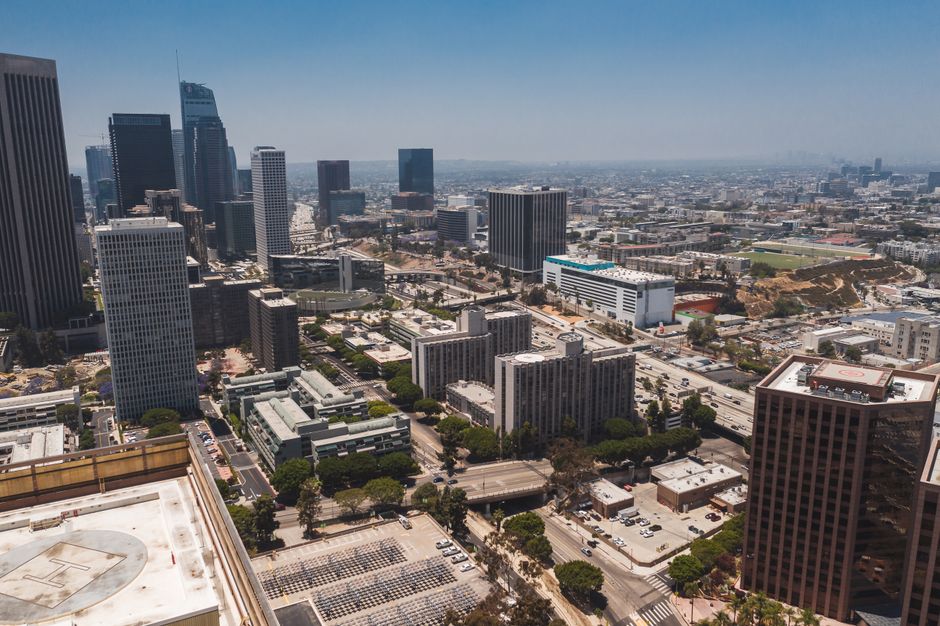
Downtown Los Angeles office towers stand increasingly empty, and that's sending a clear message to anyone paying attention to the city's economic vitals. With commercial real estate vacancy rates hovering near 20 percent—the highest in a decade—the symbols of economic momentum that once defined the Bunker Hill skyline now reflect a broader reshuffling of capital flows that directly affects everything from housing costs to job availability across Southern California.
The shift is stark. Investment into LA's commercial real estate market dropped 34 percent year-over-year in the first quarter of 2026, according to data tracked by commercial brokerages monitoring activity along Figueroa Street and throughout the Financial District. Meanwhile, venture capital remains cautious. Tech and biotech funding into Los Angeles startups, historically concentrated in Santa Monica and West Hollywood, has slowed considerably as investors await clearer signals about consumer spending and corporate profitability.
These aren't abstract market movements. They translate directly to cost-of-living pressures. When investment capital retreats from commercial properties, property owners often raise residential rents to compensate—a dynamic playing out from Silver Lake to Long Beach. The median rent for a one-bedroom apartment in Los Angeles County reached $1,895 in May 2026, up 7 percent from the same period last year, even as employment growth has flattened.
"Economic indicators like capital flows function as leading indicators," explains the thinking among analysts tracking LA's trajectory. When institutional investors—pension funds, REITs, foreign investors—reduce their exposure to a city, it signals deeper concerns about future growth. The recent pullback in foreign direct investment into Southern California, down roughly 15 percent since 2024, compounds this pressure.
But there's nuance. Residential real estate in select neighborhoods—particularly along the Westside and in emerging areas like Arts District—continues attracting institutional capital, suggesting investors distinguish between struggling downtown office space and residential demand anchored by the region's enduring appeal to tech talent, entertainment workers, and remote employees.
The message for Angelenos is straightforward: watch where money flows, not just headlines. Rising commercial vacancy alongside falling investment signals economic caution. Rising residential rents amid stable wages signal affordability stress ahead. These indicators, taken together, explain why cost-of-living concerns dominate local conversations—not because of a single shock, but because capital is gradually repricing its assessment of Los Angeles's near-term prospects. Understanding these flows helps residents anticipate pressures and make informed decisions about housing, employment, and long-term financial planning in a city perpetually in flux.
This article was compiled by AI from the sources linked above and screened before publishing. See our editorial standards.
How does this story make you feel?
Spread the word
About this article
Published by The Daily Los Angeles
Daily brief
Free, in your inbox before 7am. Weekdays.
More in Business


