Los Angeles Commercial Property Market Faces Perfect Storm of Headwinds in 2026
Rising interest rates, hybrid work trends, and oversupply plague office landlords across Century City, Downtown LA, and emerging tech corridors.
Rising interest rates, hybrid work trends, and oversupply plague office landlords across Century City, Downtown LA, and emerging tech corridors.
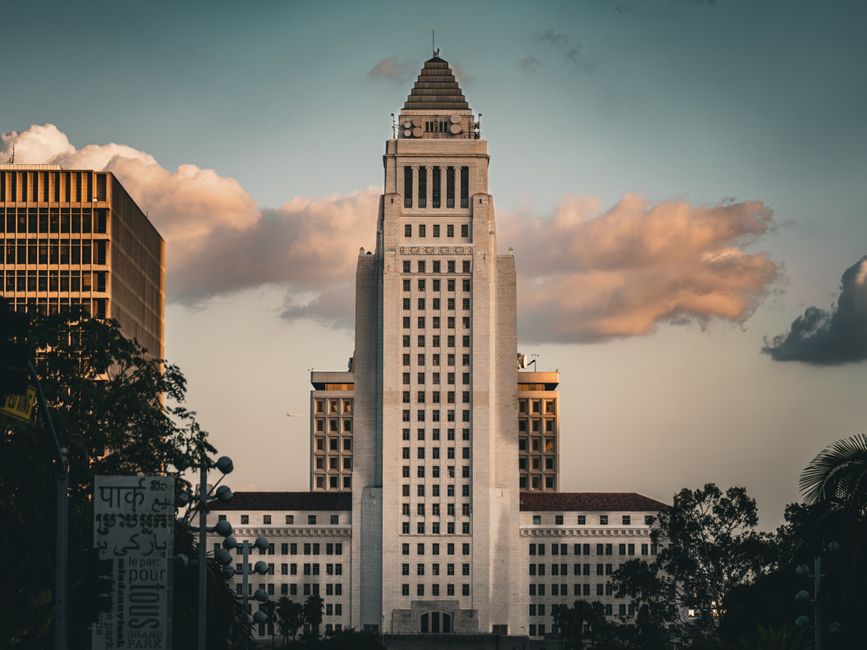
Los Angeles's commercial property sector is navigating treacherous waters as multiple structural headwinds converge to challenge landlords and investors who once enjoyed the spoils of the region's robust business climate.
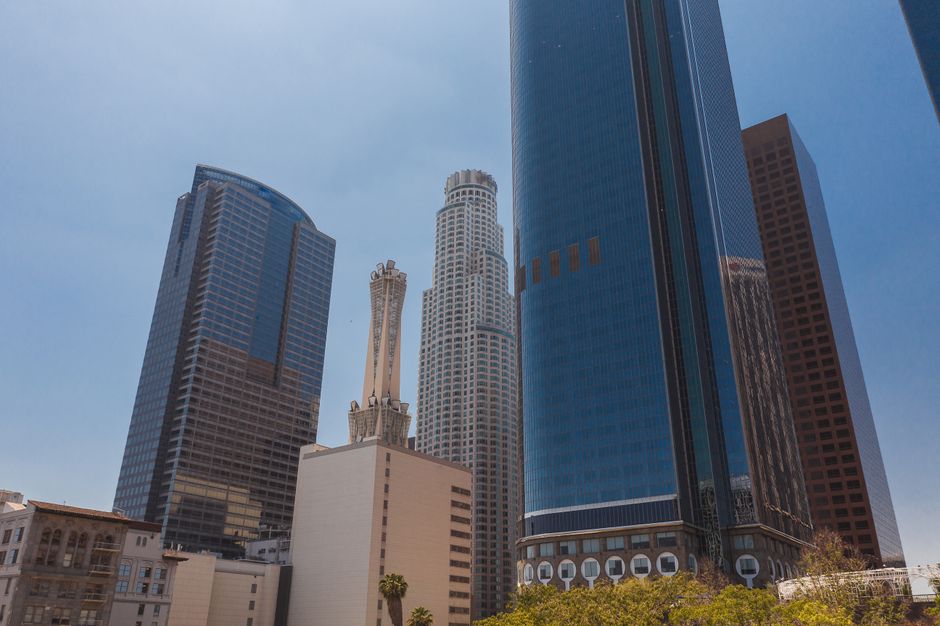
The office market, which has been the bellwether of LA's commercial real estate landscape, is experiencing acute pressure. Downtown Los Angeles, traditionally anchored by financial services and entertainment companies, has seen vacancy rates climb to approximately 18 percent—well above the pre-pandemic norm of 12 percent. Meanwhile, the Century City corridor, long synonymous with premium corporate space and entertainment industry tenants, is grappling with slower leasing velocity and downward rent pressure that signals diminishing tenant appetite for high-ticket square footage.
The culprits are familiar but increasingly urgent. The hybrid work revolution, accelerated by the pandemic and now embedded in corporate culture, has fundamentally altered space requirements. Major employers from tech firms in Santa Monica to media companies along the Wilshire Corridor are consolidating footprints, leading to increased sublease activity and distressed availability. Simultaneously, interest rate persistence—even as the Federal Reserve signals potential cuts later this year—has constrained capital availability and raised capitalization rates, making acquisitions and refinancing transactions more costly for property holders.
Supply dynamics compound the challenge. New construction pipelines in emerging submarkets like Koreatown and the Arts District have delivered quality product at competitive rents, fragmenting tenant demand across disparate locations. Simultaneously, older Class B and Class C office buildings, particularly those constructed in the 1980s and early 1990s without modern sustainability features, face existential questions about long-term viability and remediation costs.
Adaptive reuse projects—converting aging office towers to residential or mixed-use purposes—are increasingly attractive to developers and investors seeking exits from deteriorating office fundamentals. The former Produce Market building in Downtown LA and similar conversion initiatives underscore landlords' recognition that traditional office leasing may not sustain returns.
Industry observers point to pockets of resilience. Life sciences and healthcare facilities around USC and UCLA continue drawing institutional capital, while newer office campuses designed for collaborative, modern workflows retain appeal. However, the broad-based market reflects overcapacity relative to demand.
For commercial real estate professionals and investors, 2026 represents a reckoning: optimize existing assets, pursue alternative uses, or accept marked valuation adjustments. The days of supply-constrained, rent-growth-driven office markets in Los Angeles appear, for now, firmly in the rearview mirror.
This article was compiled by AI from the sources linked above and screened before publishing. See our editorial standards.
How does this story make you feel?
Spread the word
About this article
Published by The Daily Los Angeles
Daily brief
Free, in your inbox before 7am. Weekdays.
More in Business