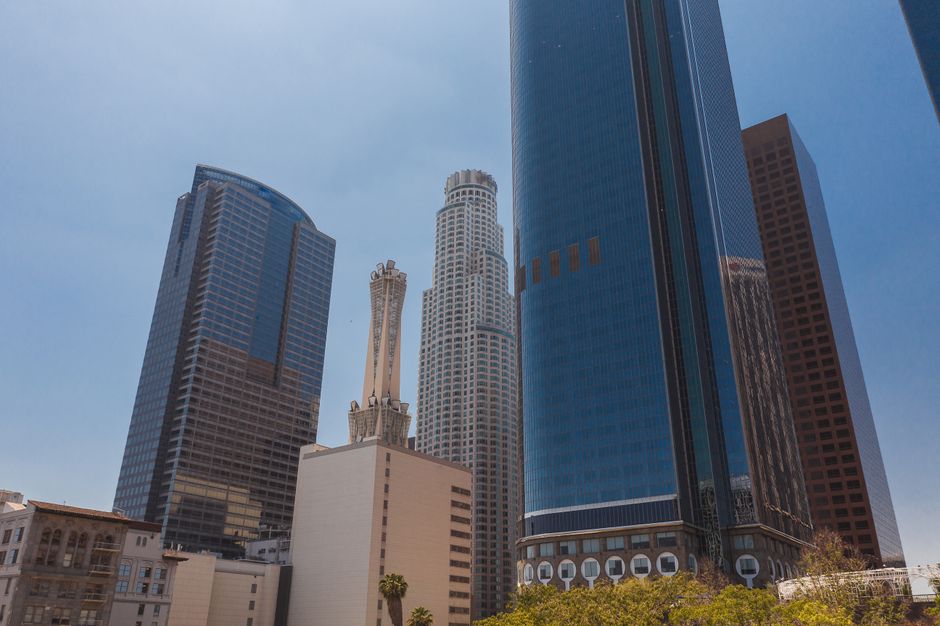
The Port of Los Angeles, which handles roughly 9 million containers annually and generates $1.2 trillion in economic activity across Southern California, is sending mixed signals about global trade patterns in mid-2026. Container volumes are up 3.2 percent compared to last year, yet import costs from Southeast Asia have jumped 18 percent since January—a phenomenon that corporate headquarters along Wilshire Boulevard and in downtown's Financial District are struggling to navigate.
The story these numbers tell reveals how international investment flows have fundamentally shifted. "What we're seeing is capital moving away from traditional manufacturing hubs and toward automation-heavy logistics," explains the sentiment expressed by analysts at local trade associations monitoring Port operations from offices near the LA World Trade Center in downtown.
Consider the data: Foreign direct investment into California dropped $2.3 billion in the first quarter of 2026 compared to the same period last year, according to state economic reports. Yet investment in supply-chain technology companies headquartered in Santa Monica and Culver City actually increased 22 percent. The divergence matters.
"When investment flows shift like this, it signals where global capital thinks growth is happening," said regional economic observers. Last week, three major logistics startups announced expansions in the Arts District and near the USC campus—positioning themselves as intermediaries between traditional manufacturing and AI-driven inventory management.
Meanwhile, the Federal Reserve's latest rate decisions are reshaping how international investors view LA real estate and commercial ventures. Office spaces along Figueroa Street downtown are seeing lower demand from foreign firms, while industrial properties near the Port command record premiums. The shift reflects a fundamental rebalancing: away from traditional corporate headquarters and toward physical infrastructure that connects global supply chains.
Currency fluctuations add another layer. The dollar's strength against Asian currencies has made American exports more expensive for international buyers, pressuring LA's aerospace and entertainment export sectors. Yet it's made investing in US assets relatively cheaper for foreign capital.
For business leaders across Los Angeles—from the entertainment companies in Beverly Hills to the aerospace contractors in Long Beach—understanding these economic indicators has become essential. The Port's container data, foreign investment trends, and currency movements form a three-part story about where global capital is flowing and why. And right now, that story suggests a city in transition: away from being a headquarters hub and toward being a logistics and technology center for managing global trade itself.
This article was compiled by AI from the sources linked above and screened before publishing. See our editorial standards.