lifestyle
Los Angeles Neighborhoods: Where 2026 Renters Actually Find Value
From the beachside calm of Santa Monica to the creative energy of Silver Lake, where LA actually makes sense by budget and lifestyle.
How we reported this
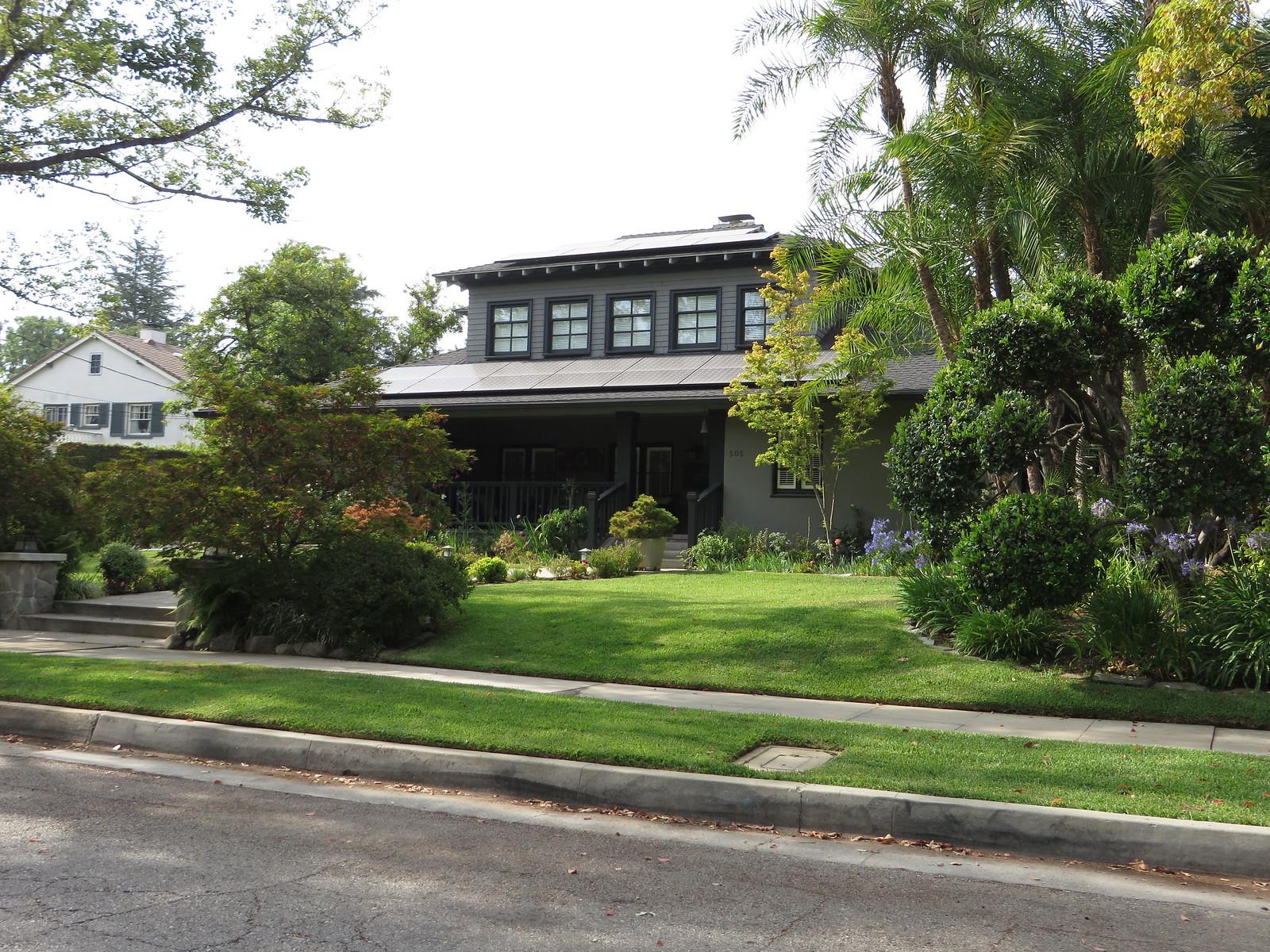
Los Angeles is not one city. It is dozens of neighborhoods stitched together by freeways, each with its own rent curve, personality, and trade-offs. As at mid-2026, the average rent across the metro sits at roughly $2,749 per month, though that headline figure hides enormous variation. A studio in Exposition Park can run under $1,200, while a two-bedroom in Ocean Park commands north of $4,100.
This guide sorts the neighborhoods that matter most right now, grouped by what you actually care about: budget, lifestyle, and proximity to the things that keep you in LA.
Best Neighborhoods by Budget Tier
Most Affordable: Exposition Park and Harbor
If your priority is keeping housing costs low without leaving the city limits, Exposition Park remains the standout. As at mid-2026, one-bedroom apartments average around $1,187 per month, making it the most affordable neighborhood in Los Angeles proper. The area sits adjacent to USC, the Natural History Museum, and the Lucas Museum of Narrative Art. Public transit access via the E Line is a genuine advantage.
Harbor (including San Pedro and Wilmington) is the other sub-$1,500 option, with one-bedroom rents averaging roughly $1,500. The waterfront redevelopment around the Port of Los Angeles has added restaurants and public space, though the commute to central LA runs 45 minutes or more outside rush hour.
Mid-Range Value: Koreatown and Mid-Wilshire
Koreatown consistently ranks as the best value for young professionals priced off the Westside. One-bedroom rents range from $1,900 to $2,800, and the density of restaurants, late-night options, and Metro stations (Purple Line) is unmatched at this price point. The neighborhood skews younger and more walkable than most of LA.
Mid-Wilshire offers a slightly quieter version of the same equation. One-bedroom apartments average around $2,726, with Greater Wilshire coming in a touch lower at $2,572. Both areas benefit from proximity to the Miracle Mile museum corridor and expanding Metro construction.
Premium: Santa Monica, West Hollywood, and Culver City
Santa Monica median rents sit at approximately $3,500 per month as at mid-2026. You are paying for ocean proximity, a walkable downtown grid, and some of the best public schools on the Westside. The E Line connection to downtown LA has improved transit options, though parking remains a persistent headache.
West Hollywood spans a wide rent band, from $2,500 for older one-bedrooms to $6,000 or more for renovated units along the Sunset Strip corridor. The appeal is nightlife, dining density, and a central location that keeps commutes manageable in multiple directions.
Culver City has settled into the mid-$3,100 range after years of rapid growth driven by tech and entertainment employers (Apple TV+, Amazon Studios, and Sony Pictures are all based here). The downtown strip along Washington Boulevard has matured into one of the better dining and bar scenes on the Westside.
Best Neighborhoods by Lifestyle
For Creatives: Silver Lake, Echo Park, and Highland Park
The eastside creative corridor remains the gravitational center for artists, musicians, freelancers, and the broader creative class. Silver Lake anchors the strip, with its reservoir loop, independent coffee shops, and a concentration of small galleries and music venues. Echo Park, immediately south, offers a slightly grittier and more affordable version of the same energy, centered around its namesake lake.
Highland Park, further northeast along the Gold Line, has undergone significant change over the past decade. Rents have risen but remain below Westside levels, and the stretch of Figueroa Street between Avenue 50 and Avenue 60 has become a genuine destination for vintage shops, craft breweries, and weekend farmers markets.
- Silver Lake: best for established creatives with moderate budgets
- Echo Park: best for younger renters who want community without Westside prices
- Highland Park: best for those willing to trade commute time for neighborhood character
For Families: Pasadena and Culver City
Pasadena operates almost as a self-contained city northeast of downtown LA. The appeal for families is straightforward: good public schools (particularly in the southern districts near South Pasadena), a walkable Old Town core, large parks, and the cultural anchor of the Rose Bowl area. Rents run below Westside equivalents, and the Gold Line provides a direct rail connection to downtown.
Culver City also draws families for its school district, which consistently outperforms LAUSD averages, and its relative safety and walkability compared to surrounding neighborhoods.
For Beach Access: Santa Monica and Ocean Park
Santa Monica is the obvious choice, but Ocean Park (its quieter southern neighbor, technically a sub-neighborhood) deserves separate mention. Rents average around $4,161 per month, but the payoff is immediate beach access without the tourist density of the Santa Monica Pier area. Main Street in Ocean Park has a low-key, neighborhood feel that the Third Street Promenade lost years ago.
Market Context: What the Numbers Say
The broader rental market has softened modestly. As at mid-2026, the citywide average of $2,749 per month reflects a 0.19% year-over-year decrease. The overall median has declined roughly 4% to a four-year low of $2,167, suggesting that supply additions (particularly in the DTLA luxury segment) are finally providing some relief.
By unit type, the spread as at mid-2026 looks like this:
- Studio: $1,965 per month
- One-bedroom: $2,538 per month
- Two-bedroom: $3,361 per month
- Three-bedroom: $4,327 per month
The takeaway: LA remains expensive by national standards, but the days of double-digit annual rent increases appear to be behind us for now. Renters with flexibility on neighborhood have more leverage than at any point since 2022.
How to Choose
The honest framework for picking a neighborhood in Los Angeles comes down to three variables:
- Commute tolerance: Every neighborhood in LA is 20 minutes from somewhere great and 90 minutes from somewhere else great. Pick based on where you need to be most days, not where you want to be on weekends.
- Rent ceiling: Set a hard number. The spread between neighborhoods is wide enough that moving one or two stops east on the Metro can save $500 to $1,000 per month.
- Non-negotiables: Beach access, walkability, nightlife, school quality, and transit each point to different neighborhoods. LA does not have a single neighborhood that excels at all of them.
The best neighborhood is the one that solves your specific constraint. This guide gives you the 2026 data to make that call with real numbers instead of vibes.